
The Guardian
7 hours ago
In the west the technology comes with at least some effort to provide security and a benign intent – not so from ChinaThere is much to fear from artificial intelligence developed in China and handed to businesses and governments in the west almost free of charge.Every month Chinese AI developers such as DeepSeek and Xiaomi dispatch the latest versions of their “open-weight” models that allow users to take the core software and use it without paying an expensive ongoing licence. Continue reading...

Whenever a new technology is created, it will, without exception, immediately be used to harass girls and womenYou may be familiar with rule 34 of the internet, which states that if something exists or can be imagined, there will almost certainly be online porn of it. Now let me introduce my rule 35: whenever a new technology is created, it will, without exception, immediately be used to harass girls and women.See, for example, Meta’s “pervert glasses”. As anyone could have foreseen, putting a tiny camera and microphone into smartglasses would immediately lead to people using them to record and harass women. Lo and behold, that is exactly what happened. So-called manfluencers have filmed themselves trying to flirt with women in public spaces and then uploaded the footage to TikTok. The women in these videos are often not aware they’ve been recorded until their identities are shared online and they are harassed by strangers. And what’s Meta doing about this? It’s instituted a few bans and made some privacy updates, but doesn’t seem to have an appetite to properly solve the problem. Indeed, at the Meta Connect 2026 keynote, Mark Zuckerberg did not feel the need to apologize to the women whose lives have been upended by his technology. Continue reading...
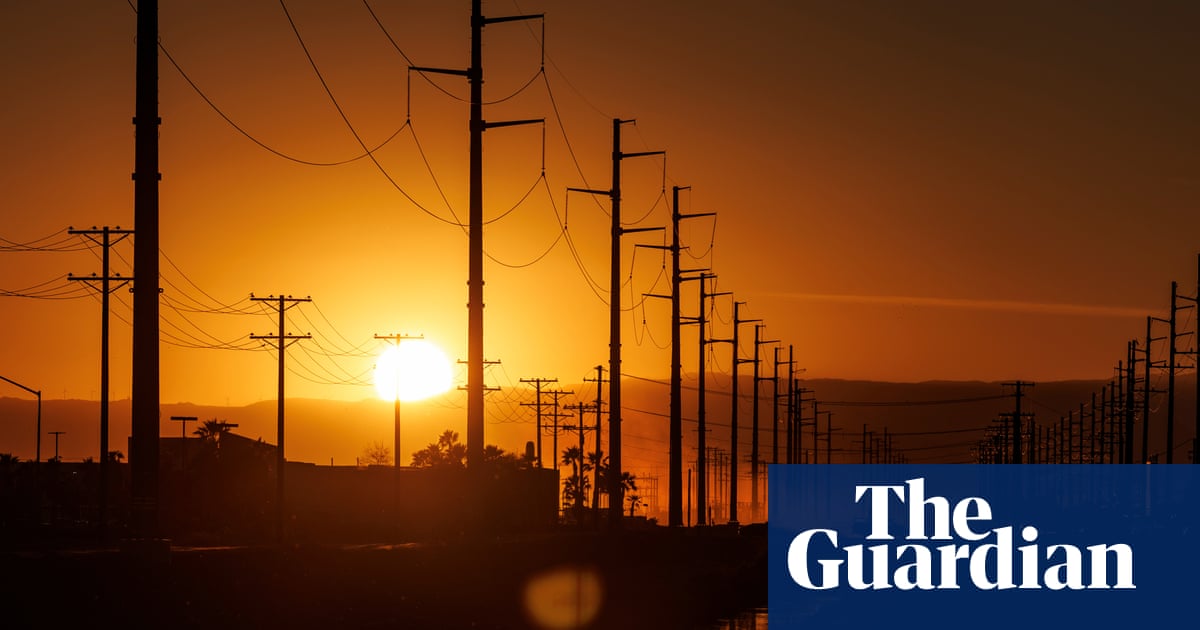
A modern-day prospector promised rural Imperial thousands of jobs and millions in tax revenue – but his plan has set off a firestorm of resistanceSebastian Rucci zoomed in on a map in late 2024, looking closely at a large block of brown earth. The barren plot sandwiched between sprawling alfalfa fields and sleepy desert suburbs was exactly what he’d been searching for – the perfect place to realize his dream of building the largest artificial intelligence datacenter in California.The dusty expanse wasn’t an obvious location. It was in the Sonoran desert, just north of the Mexican border, where temperatures regularly rose past 100F (37.8C). Water was scarce in the once-booming agricultural area, which gets its supply from the beleaguered Colorado River. And then, there was the city of Imperial – population 22,000 – to win over. As controversial datacenter projects have sprung up across the US, residents were naturally skeptical of a new, energy-guzzling neighbor. Continue reading...

Andrew Bailey among finance leaders to leave session in Bangkok when Russian finance minister addressed groupThe Bank of England governor, Andrew Bailey, has taken part in a walkout of finance leaders who left an International Monetary Fund meeting in protest against Russian involvement.Bailey joined counterparts from France, Germany and a number of Scandinavian and Baltic countries who left the session in Bangkok when the Russian finance minister, Anton Siluanov, addressed the group in Russian. Continue reading...
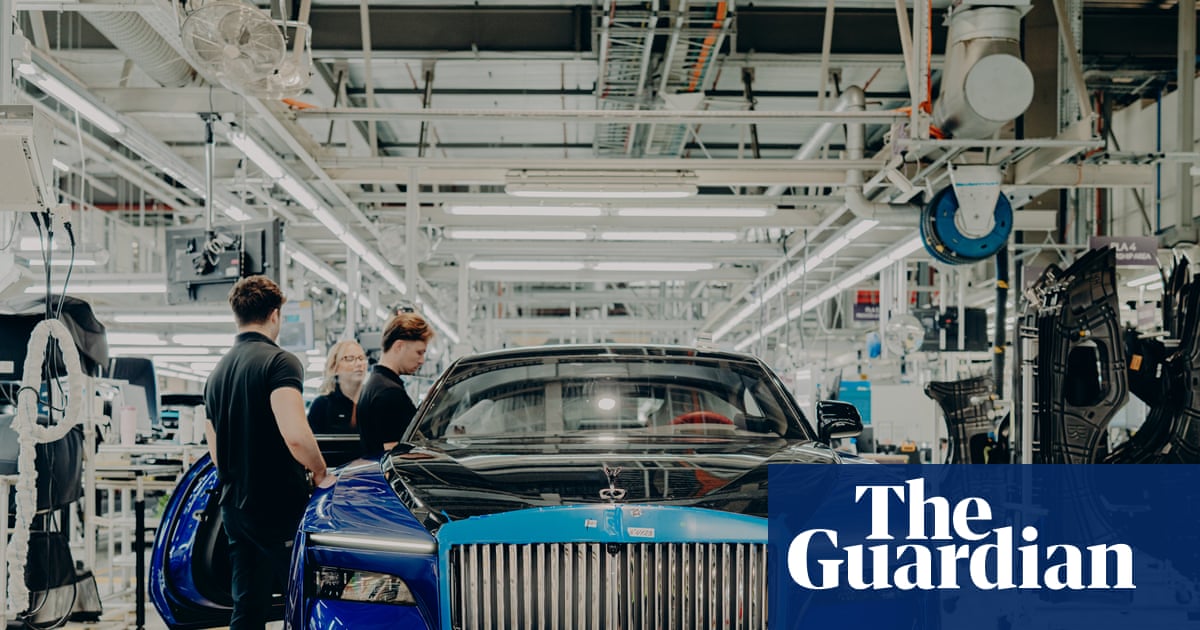
In our second in a series on high-end UK manufacturing, we visit the artisans producing rich clients’ bespoke luxury cars‘Our town is making jeans again’: meet the firm reviving jobs and skills in WalesThey are the plaything of kings, presidents and A-listers, with Rolls-Royce enthusiasts ranging from the Sultan of Brunei to Rowan Atkinson, from King Charles III to Kermit the frog.And at the carmaker’s factory in Goodwood, West Sussex, special requests from customers get more indulgent every year. An interior lined with 3,000 iridescent feathers, or a built-in champagne cooler, or a car built in homage to its owners’ dog, have all become part of the job. Continue reading...
Westminster appears to be waking up to warnings over AI safety, with concerns over its use by extremist groups and bad actors“I have this sense that, within a few months, AI is going to be all anyone is talking about,” said one cabinet minister, with an ominous stare.It was Labour conference, with everyone from ministers to activists jubilant at Andy Burnham’s takeover and a bounce in the polls after the change of leader. Continue reading...

Environmental watchdog Mighty Earth reveals two-year effort to postpone and weaken EU Deforestation RegulationUS corporate lobbyists launched a two-year “blitz” to postpone and weaken the world’s most progressive legislation to protect forests, according to a new investigation by the environmental watchdog Mighty Earth.Major US firms and trade associations, including Cargill, Bunge, Mondelēz and the US Soybean Export Council, as well as numerous other US firms and organizations, sought to influence the EU Deforestation Regulation (EUDR) in more than 350 meetings, the advocacy group found. Continue reading...
Continue reading...
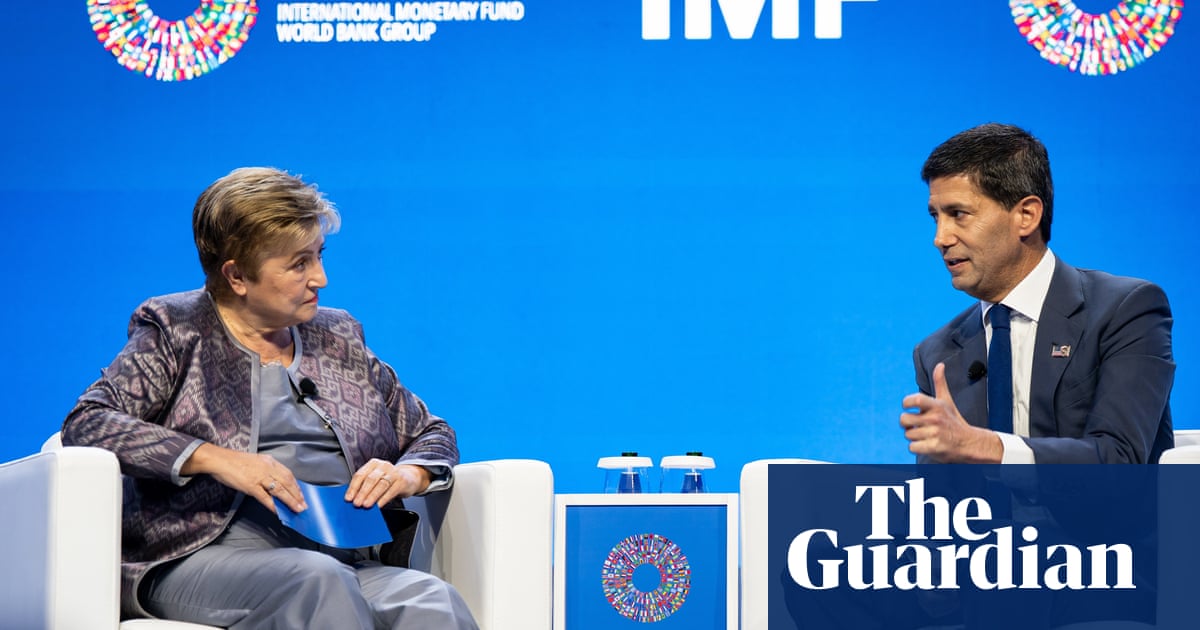
Sky-high oil prices and geopolitical turmoil have made less of a dent than feared … just don’t bank on it to lastInside the vast, glass-walled Queen Sirikit conference centre in Bangkok, the air-conditioned atmosphere was calm as policymakers from more than 100 countries gathered this week for the International Monetary Fund’s annual meeting – and contemplated the surprising strength of the global economy.A small army of smiling, uniformed Thai staff were on hand to explain the baffling geography of the heavily guarded building, where lunch options were as cosmopolitan as the delegates – including, improbably, a Burger King. Continue reading...

The entrepreneur turned fraudster is the subject of an Oscar-tipped new documentary that takes an unusual look at her strange legacyDavid Agus’s first encounter with Elizabeth Holmes at a health conference came as a shock. The Holmes he met in the green room was personable and pleasant. The Holmes he interviewed on stage was altogether different.“The accent changed: this deep voice, very serious,” Agus, a medical oncologist, recalls by phone from Los Angeles. “It was as if I had met a person and then interviewed a separate person. That transition from the green room to the stage – I had never experienced something like that before.” Continue reading...

If cinemas must run 20 minutes of adverts before a feature, they could at least be honest about it. Or, I have a better solution …Do you remember the last time you were lied to? I certainly do. I was tricked by the North Finchley Vue, which sold me and my boyfriend tickets to a 7.15pm showing of The Odyssey. Guess what was playing at 7.15pm? A car advert. Ten minutes later, it was a trailer for the horror film Werwulf. Then there was an advert for Vue – as if I wasn’t already there. The film was half an hour late to its own showing when it finally started at 7.45pm.I am sick and tired of cinemas getting away with such treachery. I don’t want to follow in the footsteps of my friend, who knows that the ads at her local run for 22 minutes so slinks in at just the right time. I shouldn’t have to do mental maths because I am being lied to by cinemas. We are all the victims of their predatory time-wasting system.Jeffrey Ingold is a freelance journalist covering LGBTQ+ issues, music and culture Continue reading...

Owner and mechanics fear for their health and future of the Herne Hill shop with no date for fixing problemThe leafy south London neighbourhood of Herne Hill is a haven for cyclists who can often be seen lapping the local parks and refuelling at the many cafes that line the suburban streets. But there is something foul in the air of this corner of the capital – and for once it’s not the traffic fumes hitting bicycle riders.A toxic stench thought to be caused by untreated sewage stuck in Thames Water drains has been emanating from the subterranean depths for months, most likely caused by the summer’s lack of rain. Continue reading...

Data shows 2026 could be worst harvest on record, as growers suggest painting faces on vegetables instead of carvingIn the lead-up to Halloween, front porches across the country feature fat, proudly carved pumpkins, lit from within by tea lights.But this year there is likely to be a shortage due to drought, experts have warned, with the squashes much smaller than usual. Continue reading...

Exclusive: Ministers considering overhaul of apprenticeship funding scheme to tackle youth jobs crisisEmployers in England are to be forced to pay more to train an older worker than a youth apprentice under plans being drawn up by the government to tackle the youth jobs crisis.The Guardian understands ministers plan to overhaul Labour’s apprenticeship funding scheme to increase the cost of training by 25% for a worker over the age of 25 in order to encourage businesses to train young people instead. Continue reading...
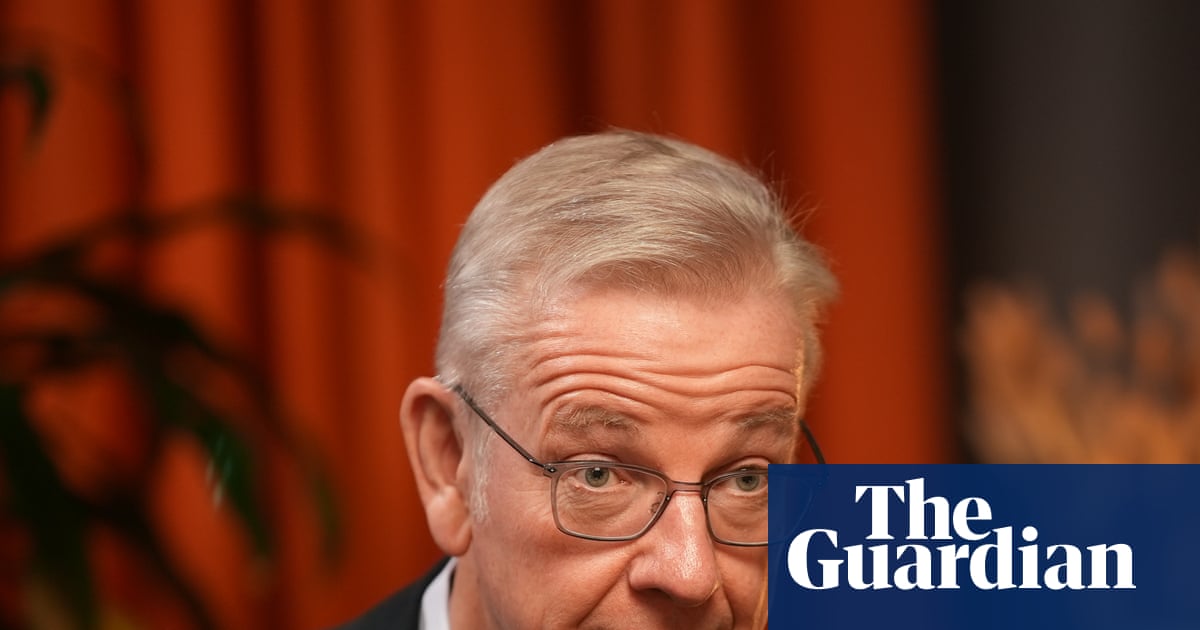
For more than three decades, Michael Gove has been a leading figure in British Conservatism. As a journalist, government minister and now editor of the Tory bible, the Spectator, he has helped shape the right even as it has moved further rightwards. In the latest episode of Radical Thinking, Gove joins Aditya Chakrabortty to discuss the future of the right, his record on Brexit and austerity, and the Spectator’s position on IslamWatch the full episode with Michael Gove here. Aditya’s suggested reading:To read the fruits of Michael Gove’s dalliance with the Marxism Today gang, look up his essay in a 1998 collection called The Moderniser’s Dilemma: Radical Politics in the Age of BlairFor slalom ride through Michael Gove’s years in power, read The Demented Dalek by the historian Richard J Evans in the London Review of BooksTo learn more on what’s become of the British right, there’s a column by me for the GuardianJust why the most successful political party is now failing is analysed in-depth by Phil Burton-Cartledge in his book The Party’s Over: The Rise and Fall of the Conservatives from Thatcher to SunakPhil also writes a very good blog on British politics, which keeps a close eye on how each party is trying to marshall a coalition of voters. Here he is on Kemi BadenochGeoffrey Wheatcroft does an entertaining short narrative in Bloody Panico!:or, Whatever Happened to The Tory PartyFor more on the economics of the Cameron years, this paper is acute on how the Tories failed to move the UK away from being a country of renters towards a country of makers. Two of its authors will join us for a podcast later in the series.And if you want to read how Brexit may have cost the UK 8% of GDP, there’s this paper based on data from the Bank of EnglandFinally, on the Spectator read Nesrine Malik’s recent column in The GuardianWhy has Britain’s oldest political magazine become such a rabid cheerleader for Islamophobia? Continue reading...
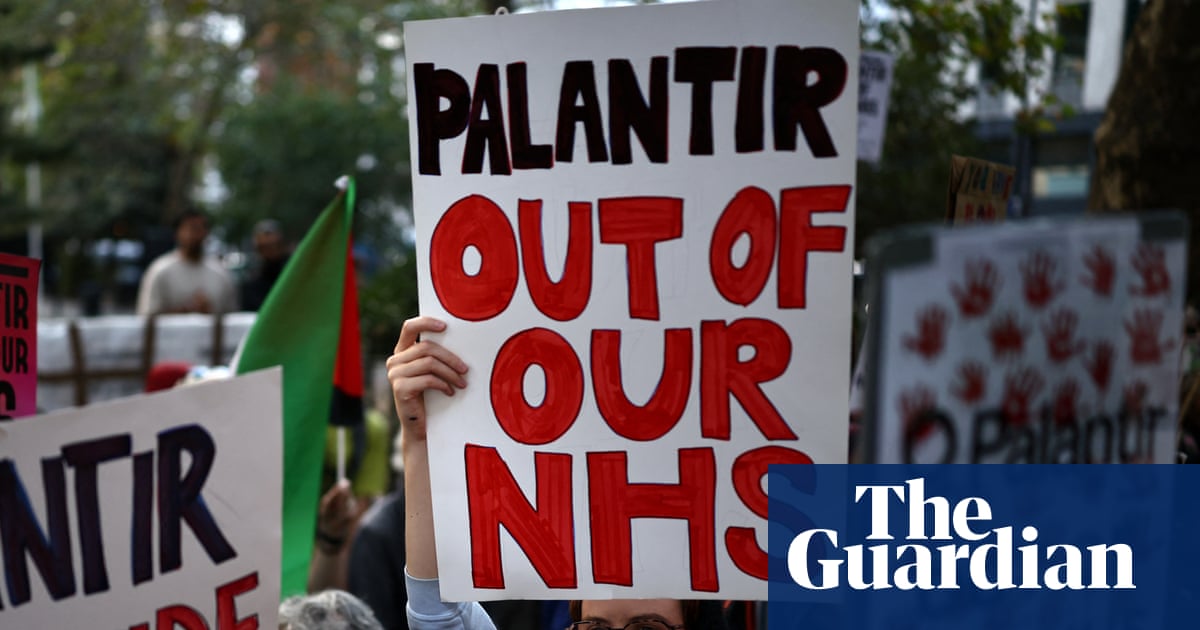
Exclusive: health bodies across country say controversial US firm’s data platform no better than systems already in useNHS organisations that care for millions of people in England are rejecting Palantir’s patient data technology, according to freedom of information responses that reveal health bosses believe they can find better or equal alternatives in many cases.Some health bodies said the £330m federated data platform (FDP) operated by the controversial US company had made it easier to manage waiting lists and has improved surgery scheduling. But, from Gateshead to Truro, others said they were declining to use it or had carried out trials and reverted to old systems. A Suffolk trust said other systems “supercede” the FDP’s functionality, while Greater Manchester’s care board called the Palantir system “duplicative” and “retrograde”. Continue reading...

Fixed-term annuities give income for a set period – such as five or 10 years – and an agreed lump sum at the endFinancial firms are reporting growing demand for a product that helps bridge the gap between stopping work and getting your pension.Sales of retirement annuities have risen sharply during the last couple of years, and now advisers are seeing a fresh surge of interest in what they say is one of the market’s “lesser-known” options. Continue reading...
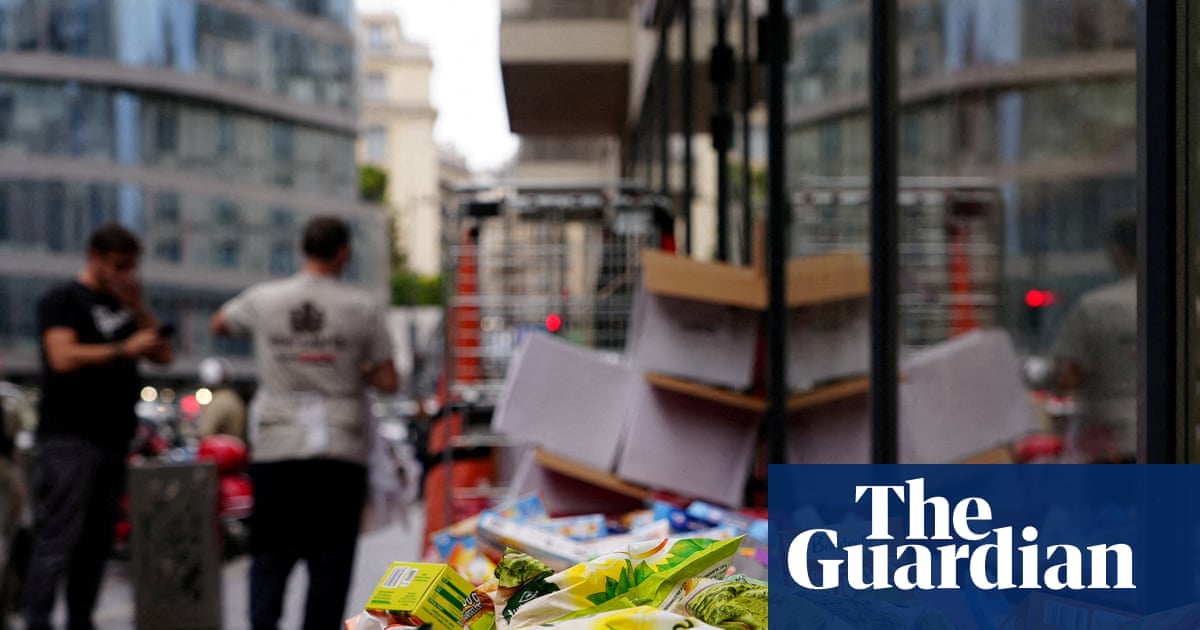
Whether it was youngsters proving their skills or state sabotage, Europe’s most hacked country was left with a mountain of waste after food began cooking in freezersShortly before midnight last Sunday, the digital thermostats controlling hundreds of supermarket cold aisles across France began to flicker and rise.In a “bizarre and unprecedented” cyber-attack, hackers had remotely overridden the temperature settings on thousands of freezers, fridges and chiller cabinets pushing them from as low as -27C (-16.6F) to well over 50C (122F). Continue reading...

The concept of ‘paying to suffer’ soars in popularity, with simulated disasters proving a modern twist on visiting sites of historic tragedies When Leon Lv was looking for somewhere to travel last year, she turned to the Chinese social media app RedNote for ideas. The algorithm took her to videos of people struggling to survive typhoon-strength winds and flash floods.“I never experienced a typhoon. I don’t know how it will feel and what will happen. I just have seen it on the news,” says the 28-year-old from Chongqing in south-west China. “So that’s why I want to go there to have a safe place to experience it and learn something.” Continue reading...

Chancellor says government will study responses to public consultation, with airports being ‘big part of jobs and growth’John Healey has said there is a pro-growth case for going ahead with a third runway at Heathrow despite the prime minister declining to back it.Healey’s predecessor as chancellor, Rachel Reeves, put approval of the long-planned runway at the heart of her “growth speech” last year, saying it would “make Britain the world’s best-connected place to do business”. Continue reading...
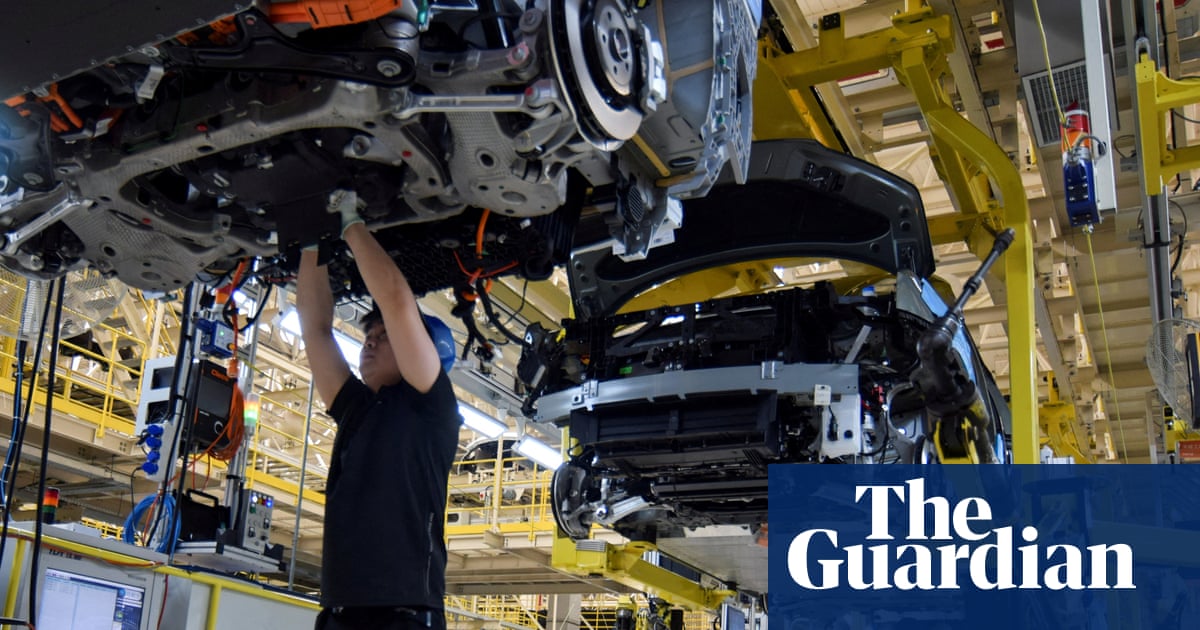
Beijing warns against ‘discriminatory’ step after France drops opposition to British role in Made in Europe packageNo 10 has left the door open to imposing tariffs on Chinese-made electric vehicles as part of the Made in Europe package, prompting a warning from Beijing that such a move would be “discriminatory”.Downing Street said on Friday that it would “welcome the objective to have the UK included in the Industrial Accelerator Act” after France dropped its opposition to Britain joining the scheme. Continue reading...
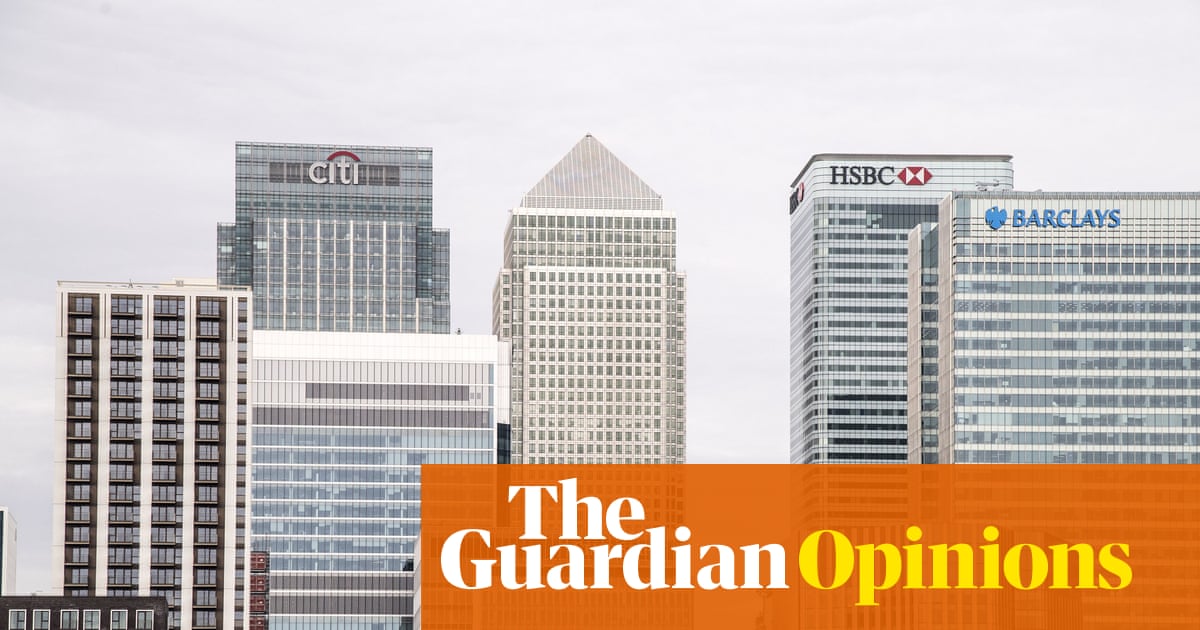
Financiers owe their windfalls and bonuses to higher interest rates. Britain should reclaim more for the public and resist City lobbyingJohn Healey is planning to tax British banks, the Guardian revealed, in the forthcoming budget. It’s about time for the chancellor to act. Banks have been raking it in. The campaign group Positive Money reported this summer that Britain’s four biggest banks made £29bn in the first half of this year, up a fifth on 2025. These windfalls owe more to higher interest rates than better products or services. Households and businesses pay more to borrow. Meanwhile, the Bank of England pays the banks tens of billions in interest on their reserves, with the Treasury footing the bill.The chancellor is said to favour restoring the bank surcharge from 3% to 8%, which could raise around £2bn a year. This would recover a very modest share of the sector’s bonanza. Louis XIV’s finance minister, Jean-Baptiste Colbert, said that “the art of taxation consists in so plucking the goose as to obtain the largest possible amount of feathers with the smallest possible amount of hissing”. Britain’s banks have plenty of feathers. That hasn’t stopped them hissing. The banks say that they already face higher taxes than other companies, that they won’t be able to lend as much, and that their profits won’t last.Do you have an opinion on the issues raised in this article? If you would like to submit a response of up to 300 words by email to be considered for publication in our letters section, please click here. Continue reading...
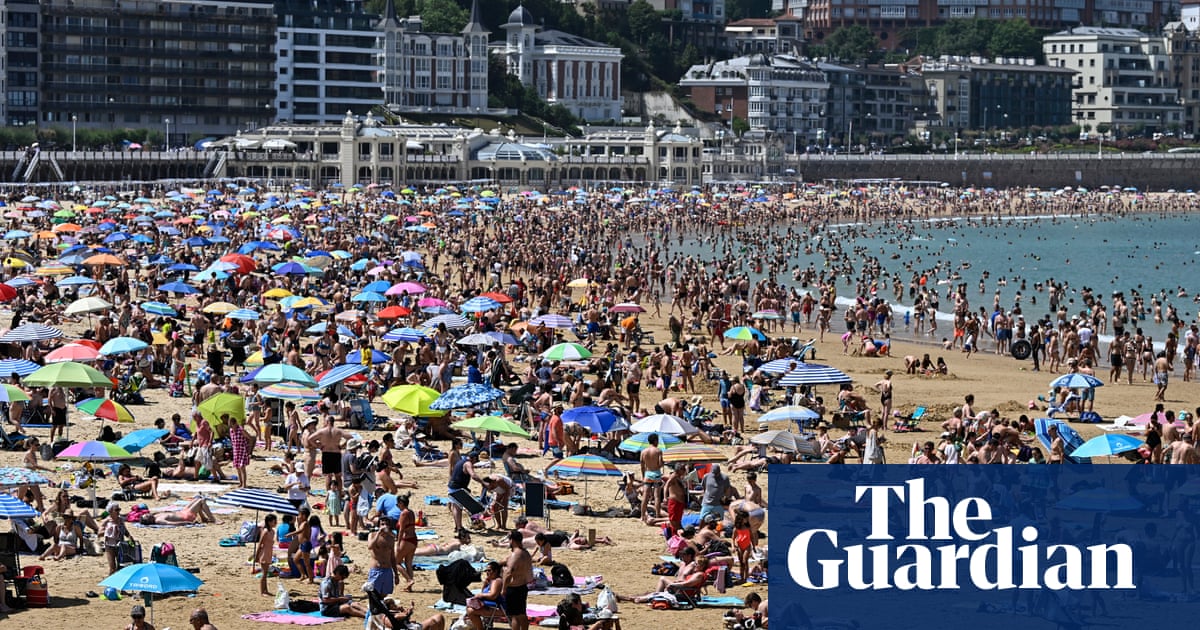
Hot summer getaways are still popular – but tourism industry fears impact of rising jet fuel costs and squeezed household incomesAfter a year marked by extreme heat and war sending fuel prices skywards, British travel executives hoped for solace in Madeira’s benign subtropical climate, separated by hundreds of miles of blue sea from the overtourism protests and six-hour EU-entry queues seen on the Portuguese mainland.As bosses admitted, holidays will be ever less affordable, AI is coming for their jobs, and the visitable world is shrinking – not least those parts where tourists remain welcome. Continue reading...
Supporters of planned tax, however, say banks were bailed out by taxpayers during financial crisis and can afford to pay more nowJohn Healey poised to raise taxes on banks in budgetThe International Monetary Fund has urged John Healey to target savings on pensions and welfare, instead of taxing Britain’s banks at the budget later this month.Helge Berger, deputy director of the IMF’s European department, was asked about bank taxes after the Guardian revealed Healey plans to tap the sector for additional revenue. Continue reading...