
Bbc.co.uk
37 minutes ago
The boss of one of Ukraine's biggest steel companies says the country has been "bundled together" in measures aimed at curbing cheap imports.

Trading standards officers say AI is "super-charging" existing scams through clones and fake websites.
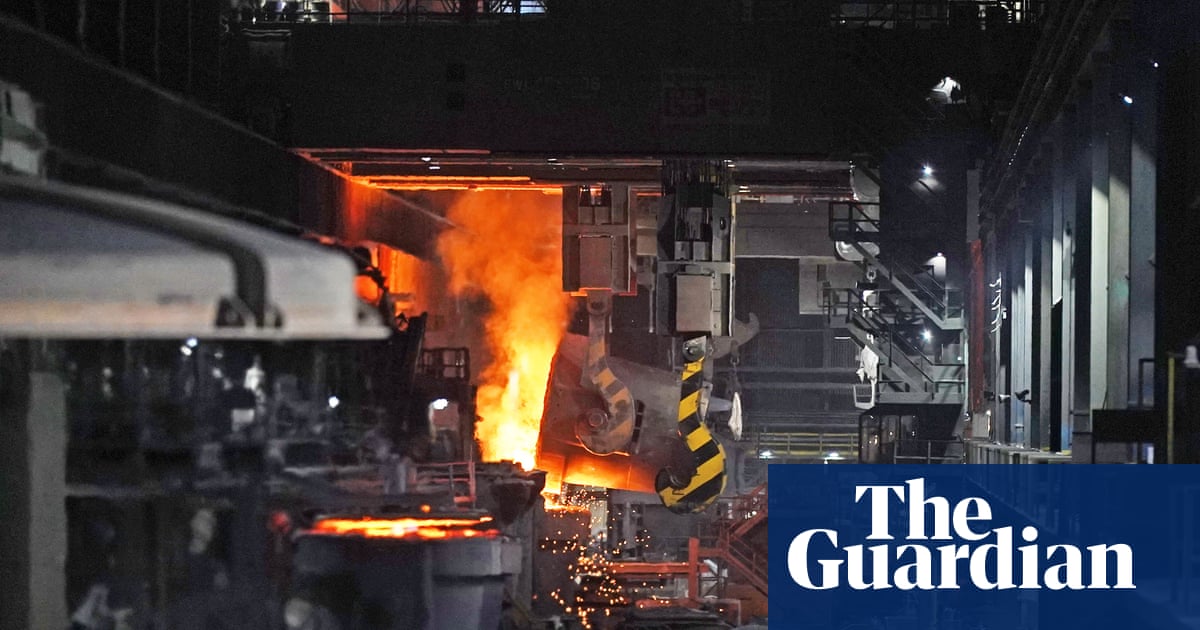
Premium paid over French counterparts has risen to almost £30 a megawatt hour, analysis by lobby group findsBritish steelmakers have been pushed further behind European rivals on electricity costs after the US-Israeli war on Iran caused a surge in global gas prices.The premium paid by the British industry over its French counterpart has risen to almost £30 a megawatt hour (MWh), its highest level in three years, according to analysis by the lobby group UK Steel. Continue reading...

More property asking prices are being cut than at any time in 15 years, data shared with the BBC shows.

India's finance minister said that continued capital outflows are one of the biggest risks for the country in 2027.

Agency changes wording on website as Texas-based firm continues manufacture of plastic container barriersThe Environmental Protection Agency has quietly backtracked on a claim that the US has phased out two of the most dangerous Pfas compounds – Pfoa and Pfos.The EPA has found that virtually no level of exposure to either in drinking water is safe, and the International Agency for Research on Cancer classifies Pfoa as “carcinogenic to humans” and Pfos as “possibly carcinogenic”. Still, the EPA is allowing Houston-based Inhance to produce containers from which Pfoa has been found to leach at high levels into the containers’ contents. The company makes up to 200m barriers annually for plastic containers used across the US economy.This article was amended on 18 October 2026 to correct Patricia van Ee’s title, and the story previously stated that Inhance manufactures plastic containers. They make the containers’ barriers. Continue reading...
How did this happen so quickly? Where were the buyers? I have some answers.

Tech firm Nscale says it is still committed to building the site in Essex.

Scrutiny committee looks into financing of Manchester Life project as PM promises ‘full transparency’A £55m loan to Manchester City’s Abu Dhabi owner will be investigated as part of a review into a fund for housing projects while Andy Burnham was mayor.The prime minister has faced weeks of scrutiny over his links to Manchester City’s super-rich owners after the club was found guilty of boosting its income by £900m in a nine-year breach of financial rules. Continue reading...

A new report finds nearly half of workers are often logging in on Sundays. It is a boon for worker flexibility, or a sign of job-hugging insecurity?

Parenting coach Reem Raouda shares lessons to help kids feel worthy regardless of achievements and handle disappointment, disagreement and difficult feelings.

If you're considering a year-end Roth conversion for 2026, there are some key things to know, experts say.
The tech company says successful AI worms need more capability on less powerful devices, but current trends make that feasible by the end of the yearWarnings about what artificial intelligence might do in the future – together with alarming reports of what it has gotten up to already – are being issued so quickly that even security experts have difficulty triaging what to worry about.Yet a report this week from Anthropic’s offensive research team grabbed attention by describing a new, practical threat, one devoid of human characteristics or apocalyptic musings. The red team, as such internal testers are called, said it created a malicious AI program that spread autonomously through internet-connected “smart” televisions and could do the same inside other ordinary devices. While machines running AI usually need a fair amount of computing power, the researchers said that their program split parts of itself among 15 televisions and was still able to function by using a bit of power from each. Continue reading...

Covered call ETFs have been widely adopted by baby boomers to meet monthly income needs, but unlike most ETFs, the tax implications can be significant.

Development by UK firm Nscale heralded by ministers as largest of its kind in country loses anchor tenantThe development of a huge AI datacentre hailed by the UK government has received a fresh setback after Microsoft pulled out of the project over concerns about power supplies.The development by the British company Nscale, heralded by ministers as the country’s largest AI datacentre when it was announced in 2025, was planned to open at Loughton in Essex next year. Continue reading...

Iboga root, central to several Gabonese ritual traditions, is believed to have huge potential for use in treating addiction and some mental illnessesThe temple is dark, its sandy floor edged with candles. People sit shoulder to shoulder beneath palm fronds hung from the rafters. Through the night, they swallow what they have come here for: a bitter root bark called iboga.Tabernanthe iboga is a slow-growing central African rainforest shrub, the root bark of which has long been used in several Gabonese ritual traditions. Continue reading...

Amid fear of rate hikes and oil prices, investors can look past volatility and track Street analysts' stock picks with strong long-term growth potential.

As efforts to protect people from extreme heat stall, organizers are embracing an approach that targets major brands’ reputations“It’s the kind of heat that makes you feel like you’re being dehydrated, like your skin is drying out,” said Lucas Benitez, after harvesting watermelons with his sons and wife this summer. “The heat that we had 30 years ago is not nearly the heat that we have today.”This summer was the hottest on record in the US, and most workers in fields, greenhouses and unconditioned indoor facilities still do not have heat protections on the job, putting their health at risk as the climate crisis is expected to make extreme heat more frequent and intense. Continue reading...

Overall, economic sentiment for Trump is poor, but small businesses seem fairly confident, according to several surveysThere are 34m small businesses in the United States. They employ approximately half of the country’s workers and generate about half of the country’s GDP. They’re an important voting block. So how are they feeling about the economy as we head into November’s midterm elections? Overall, economic sentiment for Donald Trump is poor but small business – admittedly a diverse demographic that’s hard to poll – seems fairly confident. A number of recently published surveys and reports can help understand their mood.Confidence is generally stable. Continue reading...

AI always-listening wearables from Apple, Amazon, Meta and other startups are getting creative with privacy rules and fueling concerns about covert recordings.
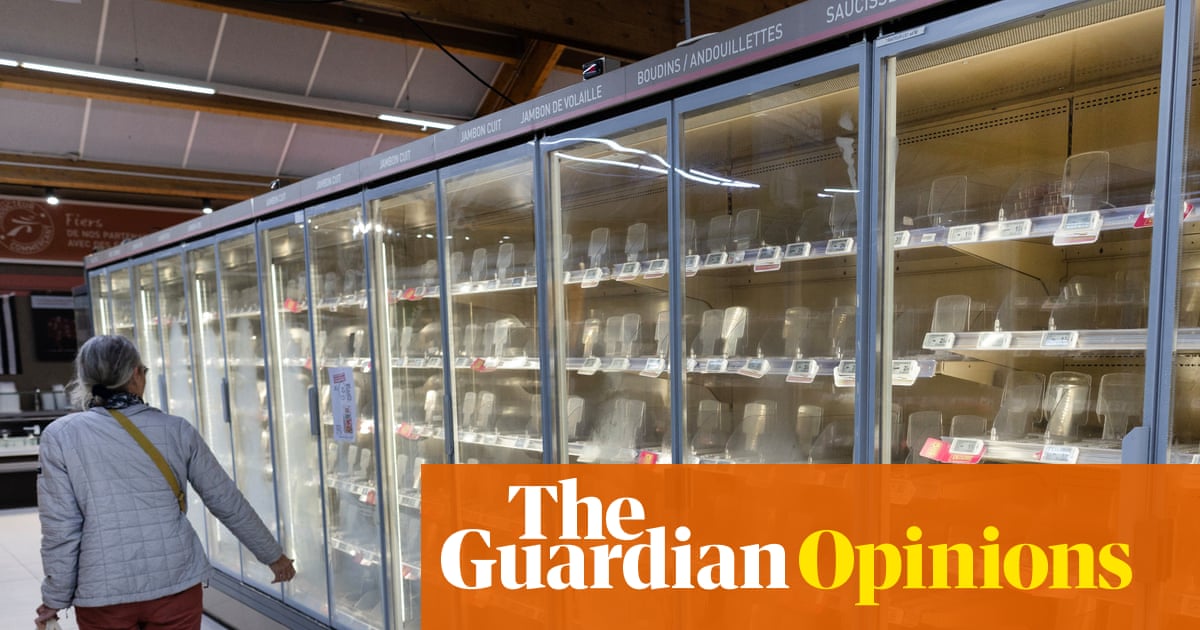
Global cooperation seems unlikely despite AI increasing the risk of digital fraud and the need to protect the financial systemRogue French fridges were an unlikely talking point for the world’s leading economists, central bankers and finance chiefs meeting in a sultry Bangkok last week – helping to underline the spiralling cost of cyber-attacks.Kristalina Georgieva, the managing director of the International Monetary Fund, seized on news that supermarket chains across France had to chuck out piles of spoiled food after hackers accessed their fridge controls and turned up the temperature to 50C. Continue reading...

South Korea's finance minister said semiconductor growth can last at least through 2027 as supply remains tight despite a global chip sell-off.

Gleaning Cornwall warns that more funding is needed as costs rise sharply.

Chancellor John Healey will set out his plans for UK taxes on 28 October.